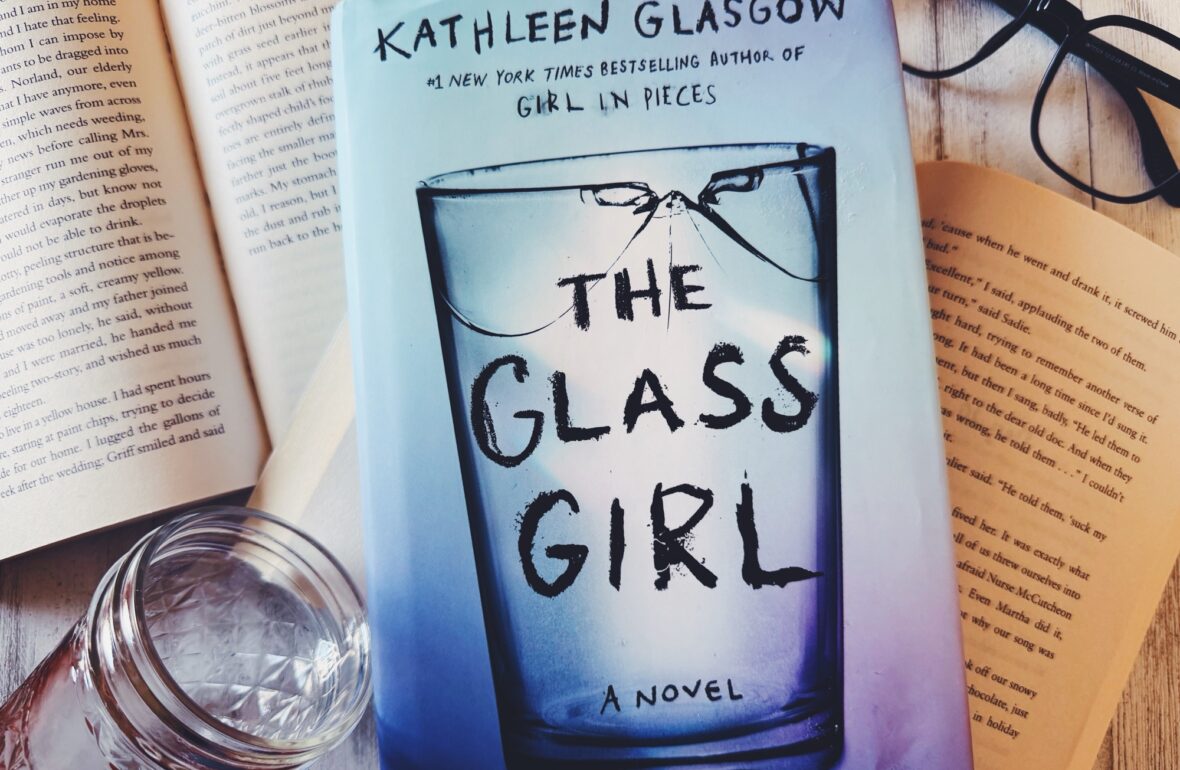
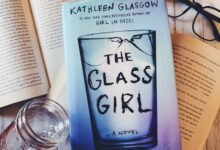
What is The Glass Girl
The Glass Girl follows 15-year-old Bella, who uses alcohol like armor — or anesthetic — to cope with grief, family pressure, the chaos of adolescence, and loss. Her life gets unravelling fast: her grandmother (the one person who didn’t ask things of her) dies; her parents are divorced and emotionally unavailable; she’s the “go-to” in her family.
After a blackout at a Thanksgiving party lands her in the hospital, Bella is sent to rehab, where Glasgow forces her to confront what she’s been trying to escape — and whether recovery actually means anything if the world around you stays the same.
Addiction as More Than Just a Plot Device
Glasgow doesn’t let Bella’s drinking be “just teenage rebellion.” It’s layered: it’s grief, it’s wanting to feel less alone, wanting to brush off the voice of “not enough.” She doesn’t romanticize it. She shows the nasty parts — the blackouts, the regrets, the self-hate. But she also shows how addiction becomes a mirror: reflecting all the pain that’s been shoved away.
Recovery Isn’t Linear (Thank goodness)
One of the strongest things about The Glass Girl is how Glasgow treats rehab and recovery with brutal honesty. It’s not a clean cut “before” and “after.” There are backslides. There are days that feel worse than the ones before. And even after leaving rehab, Bella has to reckon with the pieces of her life — damaged relationships, unresolved trauma, pressure from family expectations. It does not pretend that getting sober fixes everything.
Themes That Make You Feel Seen (and Shake You)
-
Grief and Loss — The death of Bella’s grandmother is central. That loss unravels things she’s built her coping strategies around.
-
Family Pressure & Expectations — Divorced parents, unspoken hurt, having to keep everything together even when you feel like you’re falling apart. Glasgow nails that tension.
-
Identity & Self-Worth — What part of yourself remains when everything that defined you is breaking? How do you see yourself when your coping tools are the very things you feel ashamed of? Bella’s journey wrestles with that.
-
Mental Health Beyond the Obvious — Anxiety, shame, guilt, grief — this book doesn’t shy away from how those things intertwine. It also touches on self-harm and trauma.
⚠️ What Stumbles (or Might Not Hit for Everyone)
-
Because the book is very internal, Bella’s thoughts can be overwhelming. If you prefer more “action” or external conflict, there will be times when it feels like the inside of her mind is the only place we live.
-
It’s intense. Some scenes (blackouts, self-harm, relational conflict) are hard to read. Glasgow doesn’t sanitize or soften. That’s not a flaw — but it means this book isn’t “light reading.”
-
The resolution is hopeful, but it doesn’t tie everything up. If you’re someone who likes very clean endings, you might feel like parts are left dangling. But maybe that’s the point. Recovery, after all, is messy.
🌟 What It Gives Us
-
A vocabulary for feelings many of us know but don’t see in YA books: shame, pressure, fatigue, wanting to vanish.
-
Validation for being at “that stage” in life (or always being in it) where surviving is a radical act.
-
Reminder that help can exist — rehab, therapy, art, connection — but getting there is not a straight line.
-
Empathy. Glasgow gives voice to the people we often see only at their “worst moments” without understanding the context.
🔖 Score & Who I’d Recommend It To
-
My rating: 4.5 / 5 — powerful, painful, necessary.
-
If this resonates, you should read it if you:
-
Have ever used coping by numbing — whether with substances or otherwise.
-
Have dealt with family fractured by expectations, loss, or emotional distance.
-
Appreciate YA books that don’t sugarcoat recovery or trauma.
-
Need a book to remind you you’re not alone.
-
💬 Final Thoughts
The Glass Girl doesn’t whisper. It shouts. Not to be cruel, but because silence has already done enough damage. It made me rethink how we talk about addiction (especially in young women), about the things we carry and the ones we hide. It made me see that sometimes what looks like self-destruction is survival. And sometimes the bravest thing we can do is just ask for help.










Leave a Comment